

The Perspective of An Atheist
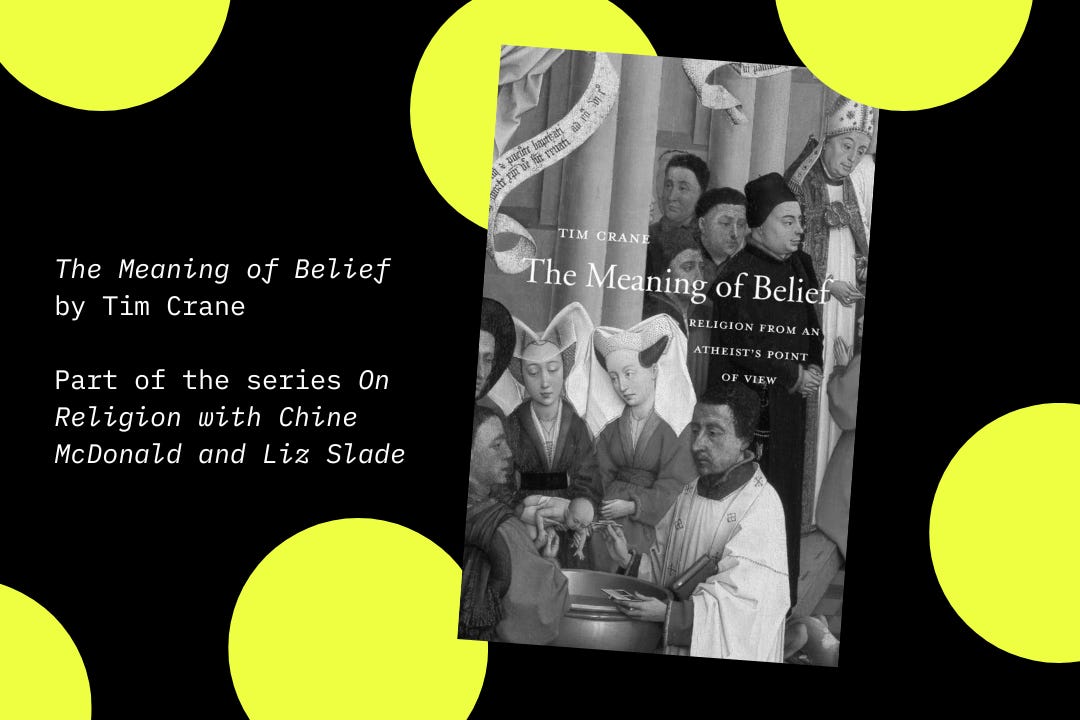
Tim Crane is a philosopher. And an atheist. In 2017, just as I started this exploration of the fundamental power of relationships in society, he wrote The Meaning of Belief, a book that explores religion from an atheist’s perspective.
Religion is relational. (Robin Dunbar explained last week how religion extends the natural but limited human propensity to relate). As such, religion shapes society, and its members, including those who don’t formally observe or participate, and even those who reject religion. (Atheists are both social and moral).
The French sociologist Emile Durkheim put it in these terms: “actual human societies are religious through and through, both in terms of what human habits and structures religion employs, and in terms of what traces religious ideas and traditions have left in even the most secular communities”.
For Crane, religion is like a sense of belonging to city, county or country, or to one’s ethnicity. I feel a deep connection to my home city, despite moving away decades ago. I can take pride in the achievements of the people and the place, and occasionally a sense of shame.
The depth of that feeling comes from relationships. Religion offers a series of practices that connect. Catholics confess their sins at least once a year, and ideally weekly. Muslim’s attend Friday prayers and aspire to make the Haj at least once in their lifetime. Jews -practising and non-practicing- commune every Friday to prepare for the Shabbat.
As Chine McDonald reflected in an earlier podcast, “I know where I will be on Sunday. I know that I will sit with my community, facing in the same direction. I know what we are collectively doing for others in our community”.
Relational practices, religious or otherwise, give meaning to life. We can take away religion, or at least religious observation, but we cannot take away our innate search for meaning, and for social connection.